
Unfair Transfers in Korea
When You Can Challenge a Transfer Before the Labor Relations Commission
Can an Employer Transfer an Employee Without Consent in Korea?
Under Korean labor law, an employer generally has broad discretion to transfer an employee, including changing the employee's duties, department, or place of work. Such transfers fall within the employer's managerial prerogative and may therefore be valid even without the employee's consent.
However, employee consent is required in certain cases. Where the employment contract expressly limits the employee's duties or place of work, a transfer beyond those agreed limits generally requires the employee's consent. Consent is also required for a transfer to a separate legal entity, even if the two companies are affiliated. A transfer made without the required consent is invalid and has no legal effect.
Even where consent is not required, however, the employer's discretion is not unlimited. A transfer may still be considered unfair if it lacks sufficient business necessity or imposes excessive disadvantages on the employee.
When Is a Transfer Considered Unfair in Korea?
The fairness of a transfer is determined primarily by balancing the employer's business necessity against the disadvantages imposed on the employee. The process through which the transfer was implemented is also taken into account.
Business necessity involves not only whether there is a genuine need to reassign personnel, but also whether the selection of the particular employee for transfer is reasonable. This may arise from various managerial or operational needs, such as organizational restructuring, staffing needs, or the efficient allocation of personnel. In some cases, the need to maintain workplace order or address difficulties in workplace relationships may also be taken into account.
The disadvantages to the employee are assessed against this business necessity. A transfer will generally remain within the employer's legitimate discretion if the resulting disadvantages do not significantly exceed what an employee would ordinarily be expected to tolerate. Relevant disadvantages may include increased commuting time or costs, relocation, disruption to family life, reduced pay or other financial disadvantages, and difficulties arising from a significant change in duties.
The LRC may also consider whether the employer followed procedures consistent with the principle of good faith, such as explaining the need for the transfer and giving the employee an opportunity to express their views.
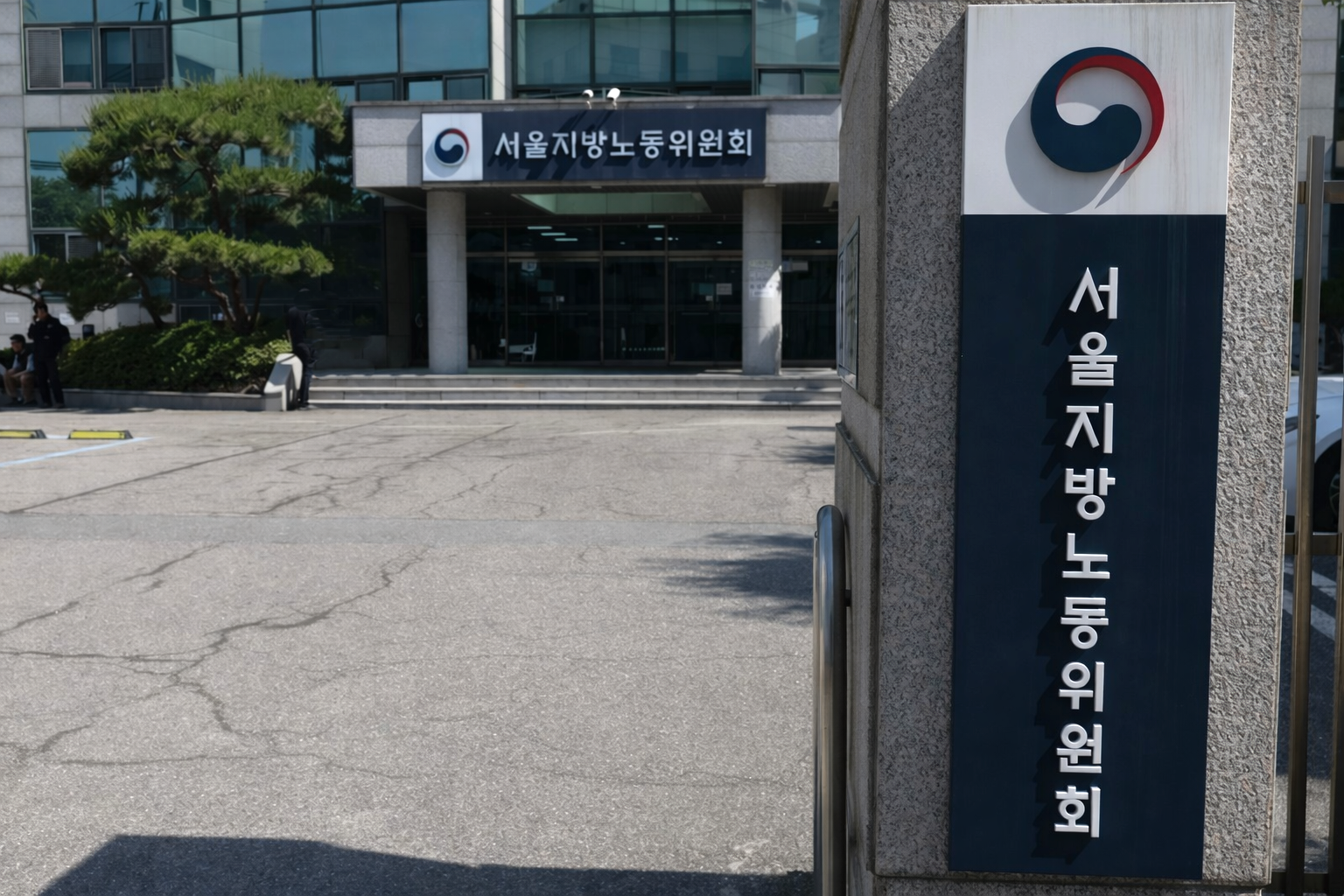
An employee may file an application for remedy with the Labor Relations Commission (LRC) if a transfer is imposed without justifiable cause.
What Remedies Are Available for an Unfair Transfer?
If the transfer is found to be unfair, the LRC may order the employer to reinstate the employee to the original position and, where the transfer has resulted in any wage differentials, to pay the corresponding amounts. However, compensation for emotional distress is not included.
How to Challenge an Unfair Transfer Before the LRC
An application for remedy must be filed with the Regional LRC within three months of the date on which the adverse action was taken, in the same manner as in cases of dismissal.
For further details on the LRC, including its case process and procedures, please see here.
Frequently Asked Questions
Can my employer transfer me without my consent in Korea?
In some circumstances, yes. A transfer may fall within the employer's managerial prerogative and may be valid even without the employee's consent. However, the transfer may be considered unfair if there is insufficient business necessity or if the disadvantages imposed on the employee are excessive.
When is an employee's consent required for a transfer?
Employee consent may be required where the employment contract expressly limits the employee's duties or place of work. Consent is also required where the employee is transferred to a separate legal entity, even if the two companies are affiliated. Even where consent is not legally required, however, a transfer may still be considered unfair if it is made without justifiable cause.
What factors are considered in determining whether a transfer is unfair?
The main factors include the business necessity for the transfer, the extent of the disadvantages caused to the employee, and the process followed by the employer, including whether the employer adequately consulted with the employee.
Can I challenge an unfair transfer before the Labor Relations Commission?
Yes. An employee may file an application for remedy with the Regional Labor Relations Commission if the transfer was made without justifiable cause. The application must generally be filed within three months of the date of the transfer.
What happens if the Labor Relations Commission finds the transfer unfair?
The Labor Relations Commission may order the employer to reinstate the employee to the original position. If the transfer resulted in a reduction in wages, the employer may also be ordered to pay the corresponding wage difference.
Preparing an Unfair Transfer Case
An unfair transfer case requires a clear understanding of the legal issues, relevant evidence, and LRC procedures. Our office can assist with preparing and filing the application and representing you throughout the proceedings.
If you believe your transfer was unfair, please feel free to contact us for consultation or legal representation.
When You Can Challenge a Transfer Before the Labor Relations Commission
Under Korean labor law, an employer generally has broad discretion to transfer an employee, including changing the employee's duties, department, or place of work. Such transfers fall within the employer's managerial prerogative and may therefore be valid even without the employee's consent.
However, employee consent is required in certain cases. Where the employment contract expressly limits the employee's duties or place of work, a transfer beyond those agreed limits generally requires the employee's consent. Consent is also required for a transfer to a separate legal entity, even if the two companies are affiliated. A transfer made without the required consent is invalid and has no legal effect.
Even where consent is not required, however, the employer's discretion is not unlimited. A transfer may still be considered unfair if it lacks sufficient business necessity or imposes excessive disadvantages on the employee.
The fairness of a transfer is determined primarily by balancing the employer's business necessity against the disadvantages imposed on the employee. The process through which the transfer was implemented is also taken into account.
Business necessity involves not only whether there is a genuine need to reassign personnel, but also whether the selection of the particular employee for transfer is reasonable. This may arise from various managerial or operational needs, such as organizational restructuring, staffing needs, or the efficient allocation of personnel. In some cases, the need to maintain workplace order or address difficulties in workplace relationships may also be taken into account.
The disadvantages to the employee are assessed against this business necessity. A transfer will generally remain within the employer's legitimate discretion if the resulting disadvantages do not significantly exceed what an employee would ordinarily be expected to tolerate. Relevant disadvantages may include increased commuting time or costs, relocation, disruption to family life, reduced pay or other financial disadvantages, and difficulties arising from a significant change in duties.
The LRC may also consider whether the employer followed procedures consistent with the principle of good faith, such as explaining the need for the transfer and giving the employee an opportunity to express their views.
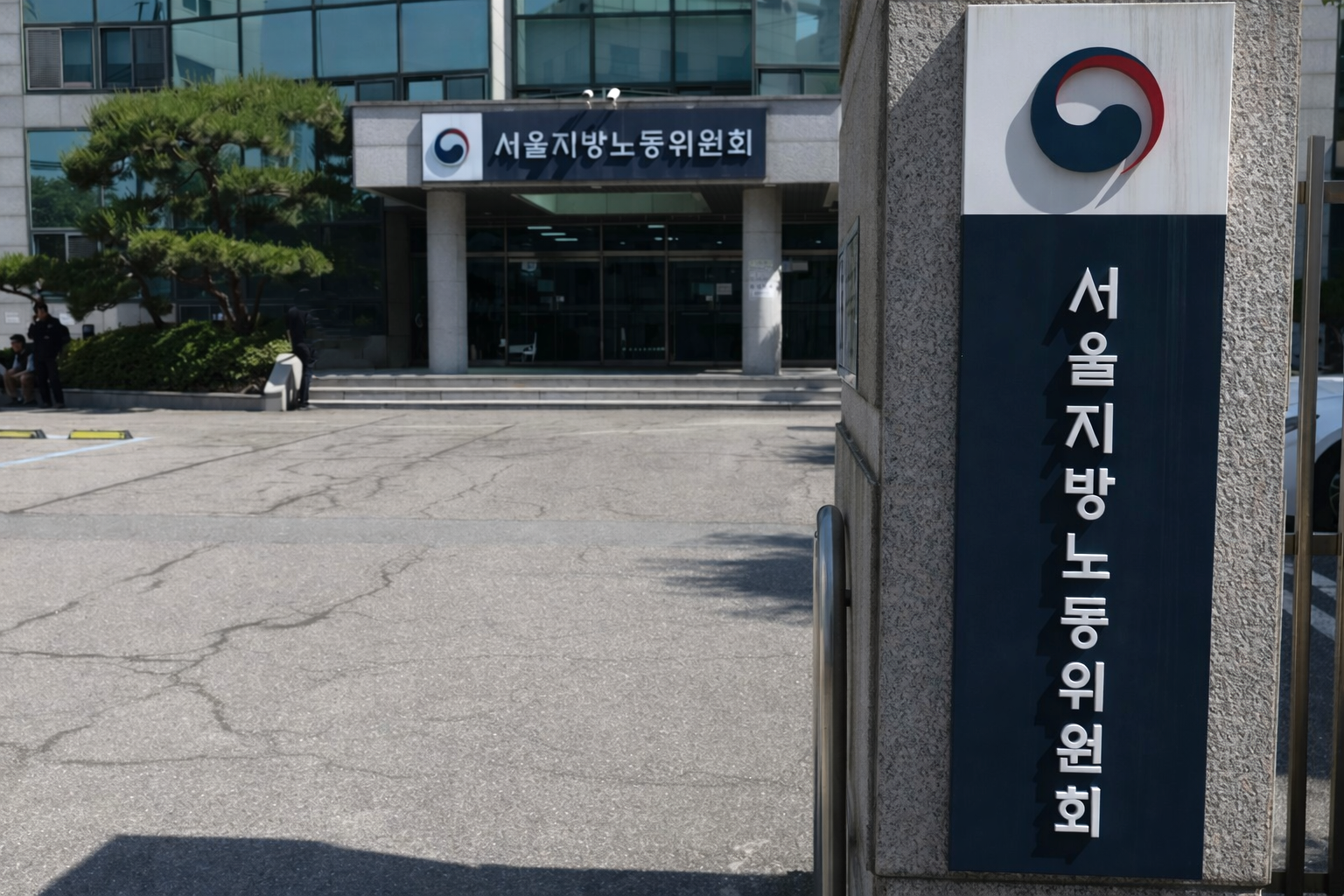
An employee may file an application for remedy with the Labor Relations Commission (LRC) if a transfer is imposed without justifiable cause.
If the transfer is found to be unfair, the LRC may order the employer to reinstate the employee to the original position and, where the transfer has resulted in any wage differentials, to pay the corresponding amounts. However, compensation for emotional distress is not included.
An application for remedy must be filed with the Regional LRC within three months of the date on which the adverse action was taken, in the same manner as in cases of dismissal. Employees typically appoint a Certified Public Labor Attorney (노무사) specializing in labor and employment law to represent them in LRC proceedings.
For further details on the LRC, including its case process and procedures, please see here.
Can my employer transfer me without my consent in Korea?
In some circumstances, yes. A transfer may fall within the employer's managerial prerogative and may be valid even without the employee's consent. However, the transfer may be considered unfair if there is insufficient business necessity or if the disadvantages imposed on the employee are excessive.
When is an employee's consent required for a transfer?
Employee consent may be required where the employment contract expressly limits the employee's duties or place of work. Consent is also required where the employee is transferred to a separate legal entity, even if the two companies are affiliated. Even where consent is not legally required, however, a transfer may still be considered unfair if it is made without justifiable cause.
What factors are considered in determining whether a transfer is unfair?
The main factors include the business necessity for the transfer, the extent of the disadvantages caused to the employee, and the process followed by the employer, including whether the employer adequately consulted with the employee.
Can I challenge an unfair transfer before the Labor Relations Commission?
Yes. An employee may file an application for remedy with the Regional Labor Relations Commission if the transfer was made without justifiable cause. The application must be filed within three months of the date of the transfer.
What happens if the Labor Relations Commission finds the transfer unfair?
The Labor Relations Commission may order the employer to reinstate the employee to the original position. If the transfer resulted in a reduction in wages, the employer may also be ordered to pay the corresponding wage difference.
An unfair transfer case requires a clear understanding of the legal issues, relevant evidence, and LRC procedures. Our office can assist with preparing and filing the application and representing you throughout the proceedings.
If you believe your transfer was unfair, please feel free to contact us for consultation or legal representation.

