
Unfair Dismissal in Korea
How to Challenge an Unfair Dismissal Before the Labor Relations Commission
What Is Unfair Dismissal in Korea?
Under Korean labor law, an employer may not dismiss an employee without justifiable cause. A dismissal may be considered unfair if there are insufficient grounds for dismissal, required procedures were not followed, or the dismissal lacks proportionality in light of the circumstances. All three requirements must be satisfied for a dismissal to be lawful. For example, if the employer fails to comply with a mandatory procedure, such as the written notice requirement, the dismissal is unfair regardless of how strong the grounds for dismissal are.
The employee bears the burden of proving that a dismissal occurred, while the employer generally bears the burden of establishing that the dismissal was justified. Whether a dismissal is unfair is determined on a case-by-case basis.
For further information on the legal requirements for dismissal, please see here.
How Can an Employee Challenge an Unfair Dismissal?
An employee who believes that they have been unfairly dismissed may file an application for remedy with the Labor Relations Commission (LRC) (노동위원회). The LRC is a quasi-judicial administrative body that provides a specialized procedure for resolving labor disputes. In Korea, most unfair dismissal disputes are handled through the LRC rather than the civil courts, and the vast majority are resolved within the LRC system without proceeding to court. The LRC process is generally simpler, faster, and less costly than civil litigation.
Employees typically appoint a Certified Public Labor Attorney (노무사) specializing in labor and employment law to represent them in LRC proceedings.
Alternatively, an employee may bring a civil lawsuit seeking confirmation that the dismissal is invalid, but civil litigation generally takes longer and costs more. The two are separate procedures, and pursuing one does not necessarily preclude the other.
Who Can Seek an LRC Remedy for Unfair Dismissal?
The LRC’s remedy system for unfair dismissal applies only to employees covered by the Labor Standards Act. Accordingly, individuals who are not legally recognized as employees — such as freelancers or independent contractors — are not eligible to file an application.
In addition, the system applies only to workplaces with 5 or more employees. If the workplace employed fewer than 5 employees at the time of dismissal, an application for remedy cannot be filed.
What Is the Deadline for Filing an Unfair Dismissal Claim?
An application for remedy for unfair dismissal must be filed with the RLRC (Regional LRC) (지방노동위원회) within three months of the date of dismissal. If dissatisfied with the decision of the RLRC, an application for review must be filed with the NLRC (National LRC) (중앙노동위원회) within 10 days of receiving the written decision. If dissatisfied with the decision of the NLRC, a lawsuit challenging NLRC's decision must be filed with the Administrative Court (행정법원) within 15 days of receiving the written decision.
How Does the LRC Process Work?
1. Investigation and Hearing
Once an application is filed, the LRC assigns an investigator (조사관) to the case. The investigator reviews the employee’s statement of reasons (이유서), the employer’s statement of defense (답변서), and any supporting evidence submitted by the parties. The parties may also be asked to submit additional written arguments or evidence during the investigation.
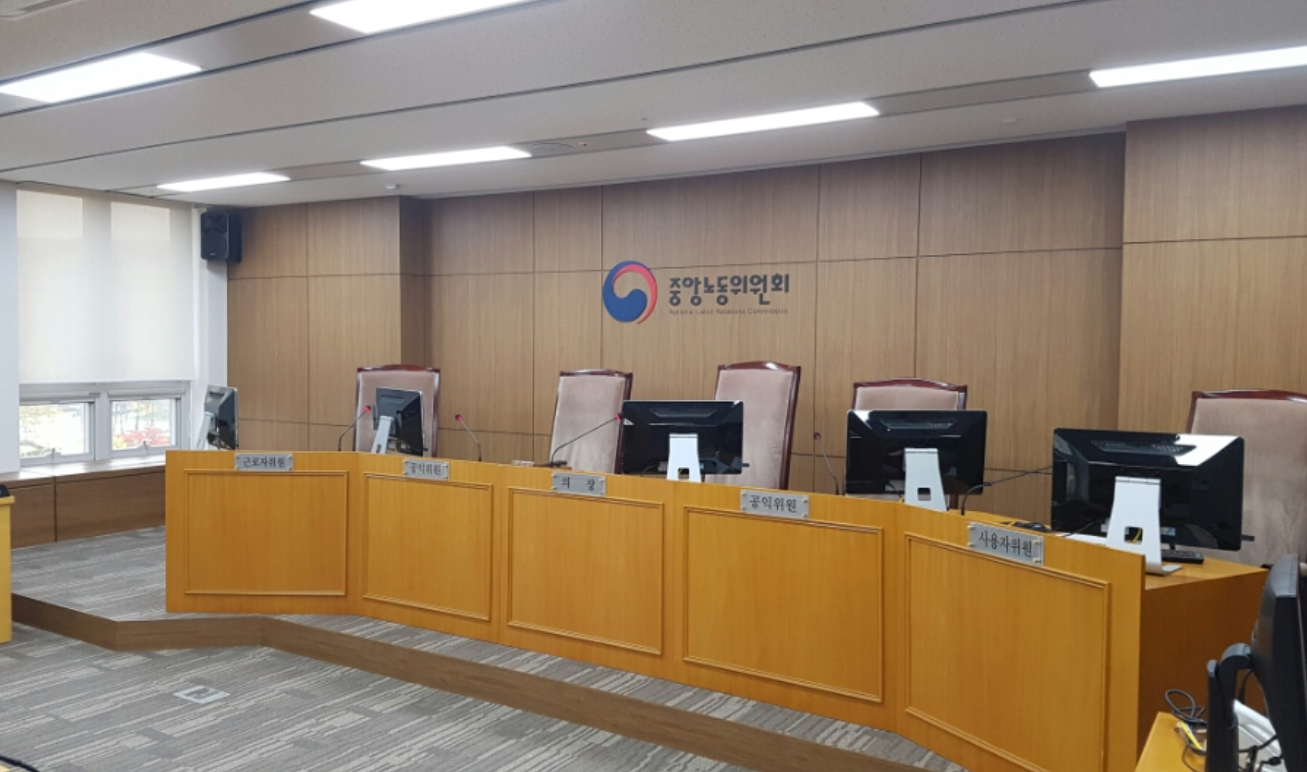
A hearing (심문회의) is then held before an adjudication committee composed of three public interest members. At the hearing, both parties are given an opportunity to present their arguments and answer questions from the committee.
2. Adjudication
After the hearing, the committee determines whether the dismissal was unfair and issues a written decision. There are three possible outcomes: procedural rejection (각하), dismissal on the merits (기각), or, if the dismissal is found to be unfair, a remedial order (구제명령).
If either party disagrees with the decision of the RLRC, they may apply for review (재심) by the NLRC. The NLRC’s decision may then be challenged through administrative litigation.
What Remedies Are Available for Unfair Dismissal?
▲ Reinstatement and Back Pay
When the LRC determines that a dismissal is unfair, it will issue a remedial order requiring reinstatement to the former position and payment of an amount equivalent to wages for the period of dismissal. The employer must comply with the order within 30 days and submit a compliance report to the LRC.
▲ Monetary Compensation Instead of Reinstatement
If an employee does not wish to return to the workplace, they may request a monetary compensation order instead of reinstatement. If the LRC finds the dismissal unfair, it may order the employer to pay monetary compensation equivalent to the wages the employee would have received during the period of dismissal.
A request for monetary compensation must be made by the employee; the LRC does not issue such an order on its own initiative.
▲ Emotional Distress and Other Damages
A remedial order is limited to reinstatement and back pay, and does not include compensation for non-pecuniary damages such as emotional distress. In civil litigation, however, such damages may exceptionally be awarded where the dismissal also constitutes a tort, although such awards are very rare.
What Happens If an Employer Does Not Comply with a Remedial Order?
If an employer fails to comply with a remedial order issued by the LRC, an enforcement fine (이행강제금) of up to KRW 30 million may be imposed. The fine may be imposed up to twice a year until the order is complied with, for a maximum period of two years. Such fines may be imposed even while a review by the NLRC or administrative litigation is pending (although any fines paid will be refunded if the decision is later overturned).
Failure to comply with a final and binding remedial order may result in criminal penalties.
Can I Receive Free Legal Representation?
When an application is filed by an employee whose average monthly wage is less than 3 million won, the LRC provides free legal support through an attorney or a CPLA appointed by the Commission.
Can an Unfair Dismissal Case Be Settled?
A settlement may be reached either upon the parties’ application or by recommendation of the LRC. In practice, more than half of all cases before the LRC are resolved through settlement, where the parties make mutual concessions instead of receiving an adjudication.
Preparing an Unfair Dismissal Case
An unfair dismissal case requires a clear understanding of the legal issues, relevant evidence, and LRC procedures. Our office can assist with preparing and filing the application and representing you throughout the proceedings.
If you believe your dismissal was unfair, please feel free to contact us for consultation or legal representation.
How to Challenge an Unfair Dismissal Before the Labor Relations Commission
Under Korean labor law, an employer may not dismiss an employee without justifiable cause. A dismissal may be considered unfair if there are insufficient grounds for dismissal, required procedures were not followed, or the dismissal lacks proportionality in light of the circumstances. All three requirements must be satisfied for a dismissal to be lawful. For example, if the employer fails to comply with a mandatory procedure, such as the written notice requirement, the dismissal is unfair regardless of how strong the grounds for dismissal are.
The employee bears the burden of proving that a dismissal occurred, while the employer generally bears the burden of establishing that the dismissal was justified. Whether a dismissal is unfair is determined on a case-by-case basis.
For further information on the legal requirements for dismissal, please see here.
An employee who believes that they have been unfairly dismissed may file an application for remedy with the Labor Relations Commission (LRC) (노동위원회). The LRC is a quasi-judicial administrative body that provides a specialized procedure for resolving labor disputes. In Korea, most unfair dismissal disputes are handled through the LRC rather than the civil courts, and the vast majority are resolved within the LRC system without proceeding to court. The LRC process is generally simpler, faster, and less costly than civil litigation.
Employees typically appoint a Certified Public Labor Attorney (노무사) specializing in labor and employment law to represent them in LRC proceedings.
Alternatively, an employee may bring a civil lawsuit seeking confirmation that the dismissal is invalid, but civil litigation generally takes longer and costs more. The two are separate procedures, and pursuing one does not necessarily preclude the other.
The LRC’s remedy system for unfair dismissal applies only to employees covered by the Labor Standards Act. Accordingly, individuals who are not legally recognized as employees — such as freelancers or independent contractors — are not eligible to file an application.
In addition, the system applies only to workplaces with 5 or more employees. If the workplace employed fewer than 5 employees at the time of dismissal, an application for remedy cannot be filed.
An application for remedy for unfair dismissal must be filed with the RLRC (Regional LRC) (지방노동위원회) within three months of the date of dismissal. If dissatisfied with the decision of the RLRC, an application for review must be filed with the NLRC (National LRC) (중앙노동위원회) within 10 days of receiving the written decision. If dissatisfied with the decision of the NLRC, a lawsuit challenging the NLRC's decision must be filed with the Administrative Court (행정법원) within 15 days of receiving the written decision.
Once an application is filed, the LRC assigns an investigator (조사관) to the case. The investigator reviews the employee’s statement of reasons (이유서), the employer’s statement of defense (답변서), and any supporting evidence submitted by the parties. The parties may also be asked to submit additional written arguments or evidence during the investigation.
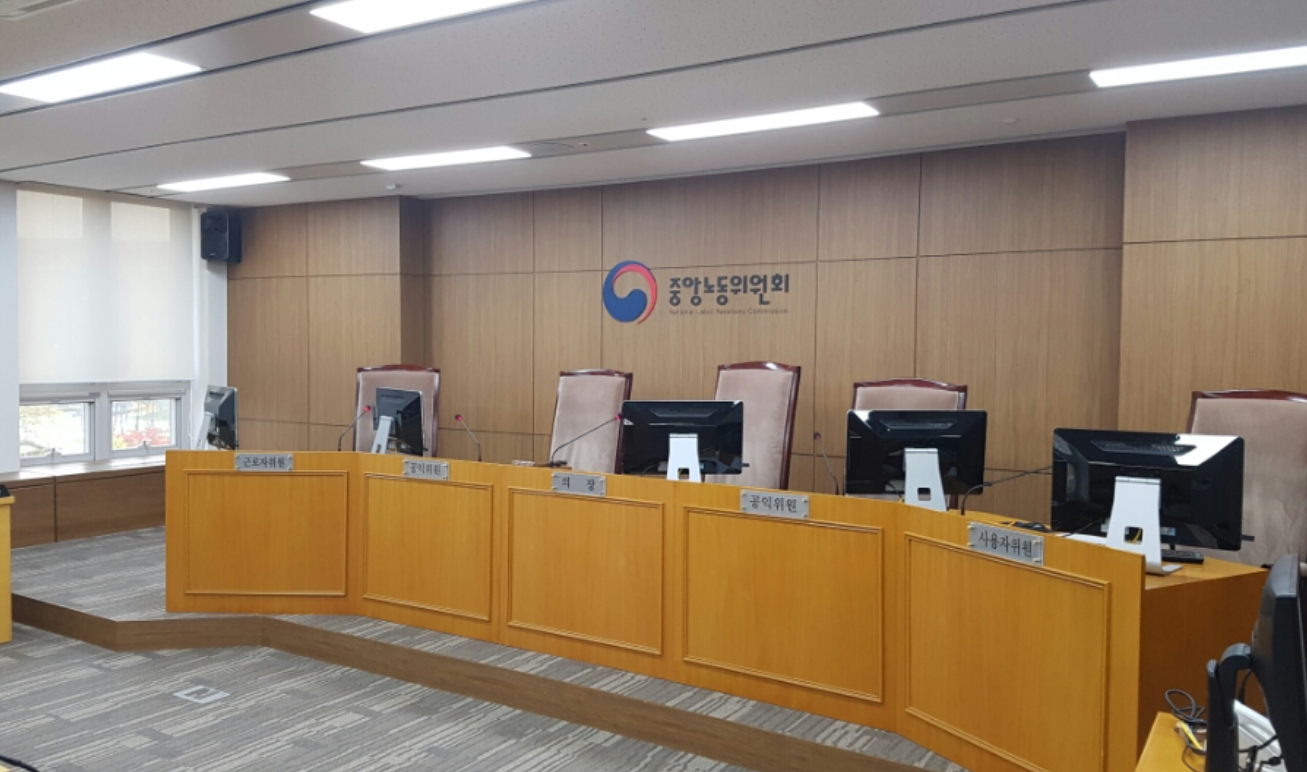
A hearing (심문회의) is then held before an adjudication committee composed of three public interest members. At the hearing, both parties are given an opportunity to present their arguments and answer questions from the committee.
After the hearing, the committee determines whether the dismissal was unfair and issues a written decision. There are three possible outcomes: procedural rejection (각하), dismissal on the merits (기각), or, if the dismissal is found to be unfair, a remedial order (구제명령).
If either party disagrees with the decision of the RLRC, they may apply for review (재심) by the NLRC. The NLRC’s decision may then be challenged through administrative litigation.
When the LRC determines that a dismissal is unfair, it will issue a remedial order requiring reinstatement to the former position and payment of an amount equivalent to wages for the period of dismissal. The employer must comply with the order within 30 days and submit a compliance report to the LRC.
If an employee does not wish to return to the workplace, they may request a monetary compensation order instead of reinstatement. If the LRC finds the dismissal unfair, it may order the employer to pay monetary compensation equivalent to the wages the employee would have received during the period of dismissal.
A request for monetary compensation must be made by the employee; the LRC does not issue such an order on its own initiative.
A remedial order is limited to reinstatement and back pay, and does not include compensation for non-pecuniary damages such as emotional distress. In civil litigation, however, such damages may exceptionally be awarded where the dismissal also constitutes a tort, although such awards are very rare.
If an employer fails to comply with a remedial order issued by the LRC, an enforcement fine (이행강제금) of up to KRW 30 million may be imposed. The fine may be imposed up to twice a year until the order is complied with, for a maximum period of two years. Such fines may be imposed even while a review by the NLRC or administrative litigation is pending (although any fines paid will be refunded if the decision is later overturned).
Failure to comply with a final and binding remedial order may result in criminal penalties.
When an application is filed by an employee whose average monthly wage is less than 3 million won, the LRC provides free legal support through an attorney or a CPLA appointed by the Commission.
A settlement may be reached either upon the parties’ application or by recommendation of the LRC. In practice, more than half of all cases before the LRC are resolved through settlement, where the parties make mutual concessions instead of receiving an adjudication.
An unfair dismissal case requires a clear understanding of the legal issues, relevant evidence, and LRC procedures. Our office can assist with preparing and filing the application and representing you throughout the proceedings.
If you believe your dismissal was unfair, please feel free to contact us for consultation or legal representation.

