
Unfairly Disciplined in Korea?
Your Right to Challenge Unfair Disciplinary Measures Before the LRC
Scope of Applications
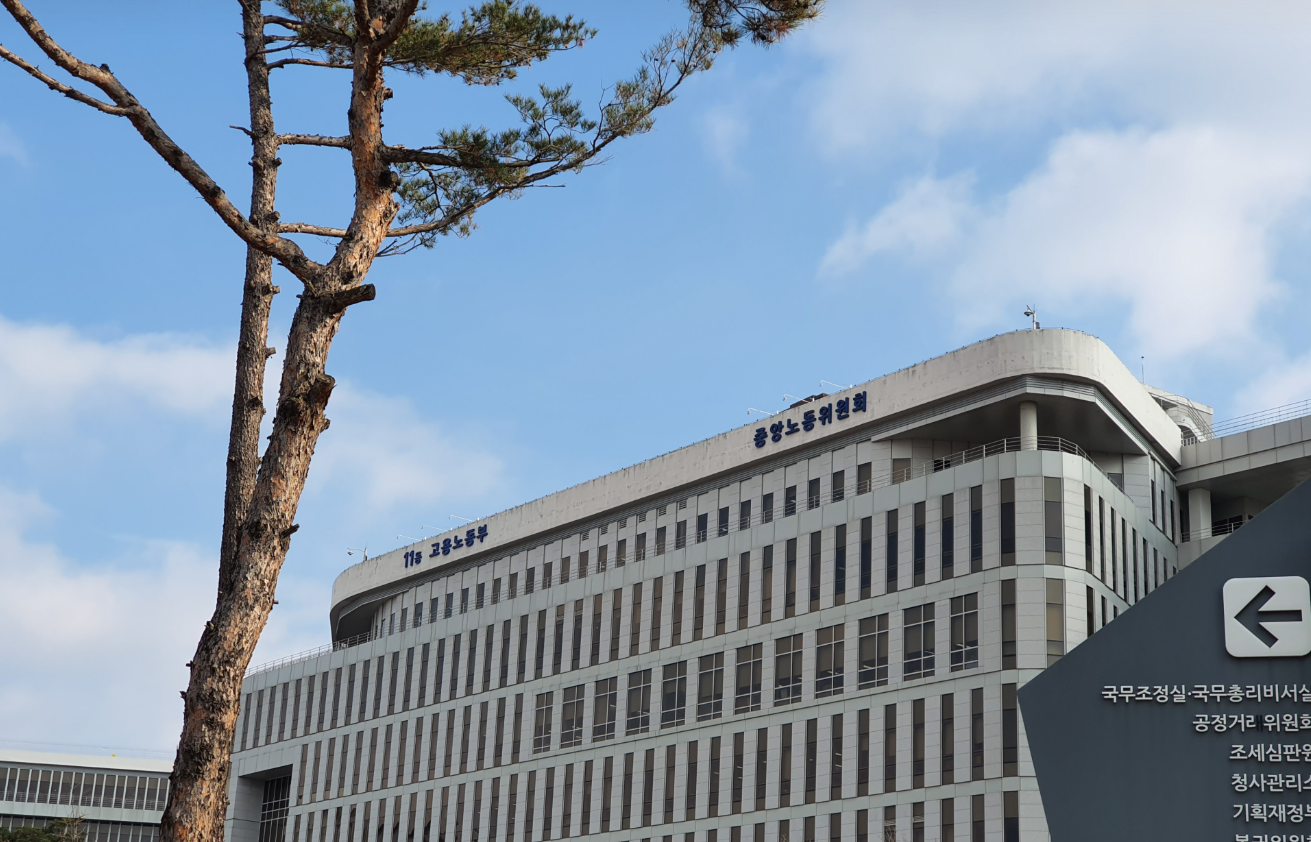
Even in cases short of dismissal, an employee may file an application for remedy with the Labor Relations Commission (LRC) in relation to unfair disciplinary actions or other adverse employment measures. Measures taken without justifiable cause — such as transfers, suspensions from work, demotions, disciplinary suspensions, pay reductions, removal from position, or placement on administrative leave — may be subject to an LRC remedial order.
However, the scope of applications for remedy is limited to adverse measures imposed as sanctions for an employee’s past misconduct. It does not extend to all unfavorable decisions that may arise in the course of an employment relationship. Accordingly, personnel decisions over which the employer has broad discretion as part of its managerial prerogative — such as performance evaluations or promotion decisions — are, in principle, not subject to LRC remedial orders.
Employees typically appoint a Certified Public Labor Attorney (노무사) specializing in labor and employment law to represent them in LRC proceedings.
Assessing the Fairness of Disciplinary Measures
For a disciplinary action or other adverse employment measure to be considered fair, there must be justifiable grounds. Such grounds must be based on the rules of employment, a collective agreement, or the individual employment contract.
In addition, all procedures prescribed in the applicable rules or agreements must be fully observed. In particular, the employee must be given a sufficient opportunity to present an explanation or defense.
Proportionality of the Sanction
The severity of the sanction must also be reasonable and proportionate by social standards. While the selection of disciplinary measures falls within the employer’s discretion, a proper balance is required between the nature of the misconduct and the sanction imposed. An excessively severe sanction for relatively minor misconduct may constitute an abuse of disciplinary authority and may therefore be held invalid.
Factors Considered in Assessing Proportionality
In determining proportionality, various factors are taken into account, including the nature and seriousness of the misconduct, the purpose and character of the employer’s business, the employee’s position and duties, the motives and circumstances of the misconduct, the impact on workplace order and discipline, the employee’s past work record and attitude, signs of remorse, and consistency and equity among employees.
Remedial Order
If the disciplinary action or other adverse measure is found to be unfair, the LRC may order the employer to revoke the measure, reinstate the employee to the status quo ante, and compensate the employee for any resulting financial disadvantages, including wage differentials. However, such orders do not include compensation for mental distress.
Filing Deadline and Procedures
An application for remedy must be filed with the Regional LRC within 3 months from the date on which the adverse action was taken, in the same manner as in cases of dismissal.
For further details on the LRC, including its case process and procedures, please see here.
How to Win Your Case
Success in an unfair disciplinary action case depends on identifying the key legal issue, supporting it with persuasive evidence, and presenting your arguments effectively before the LRC. Given the quasi-judicial nature of the proceedings and the speed at which they move, even a potentially valid claim may fail if it is not properly prepared and presented.
Early assistance from a professional experienced in LRC proceedings can significantly improve your chances of a favorable outcome. Our office can assist you at every stage of the process, from preparing and filing the application to representing you at the hearing.
If you believe the disciplinary action taken against you was unfair, do not wait until the statutory deadline approaches. Please feel free to contact us for consultation or legal representation.
Your Right to Challenge Unfair Disciplinary Measures Before the LRC
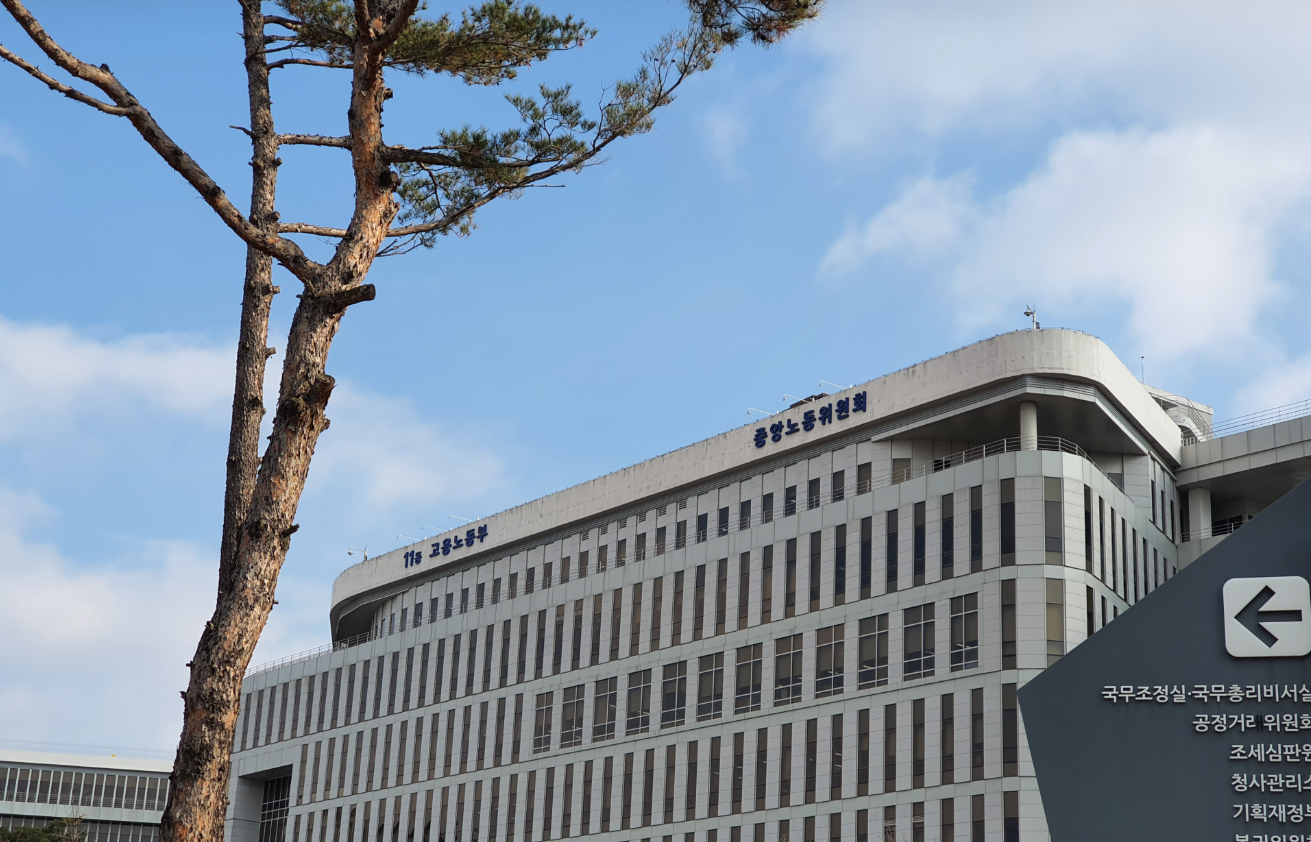
Even in cases short of dismissal, an employee may file an application for remedy with the Labor Relations Commission (LRC) in relation to unfair disciplinary actions or other adverse employment measures. Measures taken without justifiable cause — such as transfers, suspensions from work, demotions, disciplinary suspensions, pay reductions, removal from position, or placement on administrative leave — may be subject to an LRC remedial order.
However, the scope of applications for remedy is limited to adverse measures imposed as sanctions for an employee’s past misconduct. It does not extend to all unfavorable decisions that may arise in the course of an employment relationship. Accordingly, personnel decisions over which the employer has broad discretion as part of its managerial prerogative — such as performance evaluations or promotion decisions — are, in principle, not subject to LRC remedial orders.
Employees typically appoint a Certified Public Labor Attorney (노무사) specializing in labor and employment law to represent them in LRC proceedings.
For a disciplinary action or other adverse employment measure to be considered fair, there must be justifiable grounds. Such grounds must be based on the rules of employment, a collective agreement, or the individual employment contract. In addition, all procedures prescribed in the applicable rules or agreements must be fully observed. In particular, the employee must be given a sufficient opportunity to present an explanation or defense.
The severity of the sanction must also be reasonable and proportionate by social standards. While the selection of disciplinary measures falls within the employer’s discretion, a proper balance is required between the nature of the misconduct and the sanction imposed. An excessively severe sanction for relatively minor misconduct may constitute an abuse of disciplinary authority and may therefore be held invalid.
In determining proportionality, various factors are taken into account, including the nature and seriousness of the misconduct, the purpose and character of the employer’s business, the employee’s position and duties, the motives and circumstances of the misconduct, the impact on workplace order and discipline, the employee’s past work record and attitude, signs of remorse, and consistency and equity among employees.
If the disciplinary action or other adverse measure is found to be unfair, the LRC may order the employer to revoke the measure, reinstate the employee to the status quo ante, and compensate the employee for any resulting financial disadvantages, including wage differentials. However, such orders do not include compensation for mental distress.
An application for remedy must be filed with the Regional LRC within 3 months from the date on which the adverse action was taken, in the same manner as in cases of dismissal.
For further details on the LRC, including its case process and procedures, please see here.
Success in an unfair disciplinary action case depends on identifying the key legal issue, supporting it with persuasive evidence, and presenting your arguments effectively before the LRC. Given the quasi-judicial nature of the proceedings and the speed at which they move, even a potentially valid claim may fail if it is not properly prepared and presented.
Early assistance from a professional experienced in LRC proceedings can significantly improve your chances of a favorable outcome. Our office can assist you at every stage of the process, from preparing and filing the application to representing you at the hearing.
If you believe the disciplinary action taken against you was unfair, do not wait until the statutory deadline approaches. Please feel free to contact us for consultation or legal representation.

