
Rules of Employment in Korea
Legal Requirements and Amendment Procedures
What are “Rules of Employment” ?
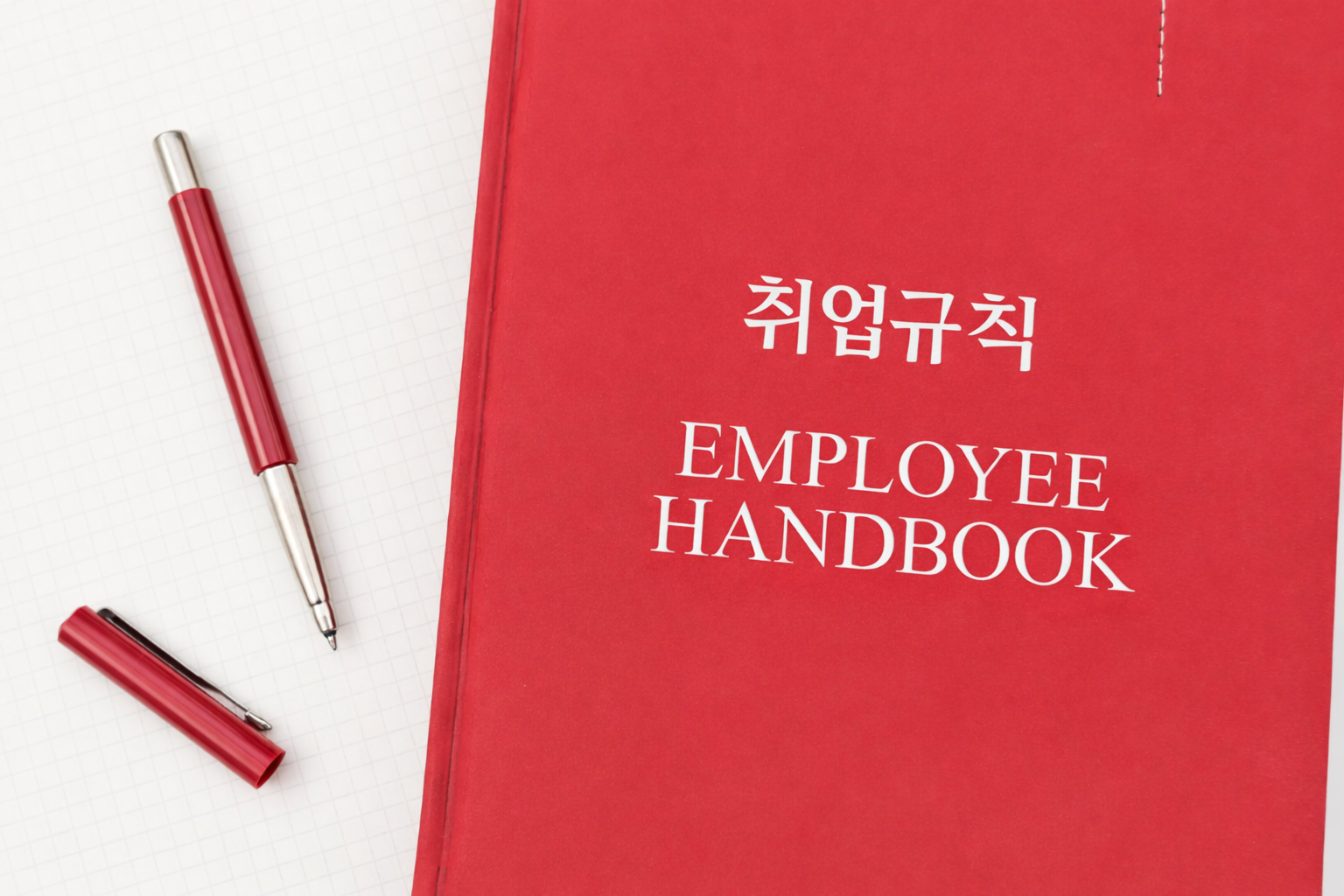
Rules of Employment (취업규칙) refer to a set of collective, uniform and standardized norms that prescribe workplace regulations and general working conditions applicable to all employees within a workplace. Even if the document is not formally titled as “Rules of Employment,” any internal regulations that set out collective standards for employees’ working conditions are regarded as rules of employment regardless of their name.
Legal Obligations to Establish and File
Under the Labor Standards Act, employers with 10 or more employees are required to prepare and file the rules of employment. When establishing such rules for the first time, the employer must hear the opinion of the majority trade union, if one exists; if not, the opinion of a majority of employees. The completed rules of employment must be filed with the local labor office with jurisdiction and any subsequent amendments must be filed in the same manner. A failure to comply with these preparation and filing requirements may result in an administrative fine.
For employers with fewer than 10 employees, there is no legal obligation to prepare or file rules of employment. However, once such rules are prepared and established, the employer is required to comply with them, even though filing is not legally mandated.
The rules of employment must be made readily accessible so that employees can review them at any time. They are typically posted on the company intranet or provided in booklet form.
What Must Be Included by Law?
The Labor Standards Act enumerates the items that must be included in the rules of employment.
How Can They Be Amended?
In practice, the most frequently encountered issue regarding the rules of employment is their amendment.
<Unfavorable Changes: Collective Consent Required>
Under the Labor Standards Act, when an employer intends to amend the rules of employment in a way that is unfavorable to employees, the employer must obtain the consent of the majority trade union, if one exists; if not, the consent of a majority of the employees. An ‘unfavorable amendment’ refers to a change that deprives employees of their vested rights or benefits, lowers their existing working conditions or strengthens the workplace regulations to their detriment.
An unfavorable amendment made without collective consent may be subject to a statutory fine, and the amended rules of employment will have no legal effect.
<Non-Unfavorable Changes: Opinion Hearing Only>
Even when an amendment is not unfavorable to employees, the employer must still hear the opinion of the majority trade union, if one exists; if not, the opinion of a majority of the employees. Hearing employees’ opinions does not mean obtaining their consent or reaching an agreement, nor is the employer bound by the opinions expressed. Therefore, even if many employees express opposition, the requirement is satisfied as long as the employer has properly sought their opinions. While a failure to hear employees’ opinions may result in a fine, the amended rules themselves are not rendered invalid.
Employer Takeaways
Rules of Employment are a core compliance document in Korea and are frequently reviewed in labor disputes. If you need advice or support in drafting, reviewing, or amending your Rules of Employment, please contact us by email.
Legal Requirements and Amendment Procedures
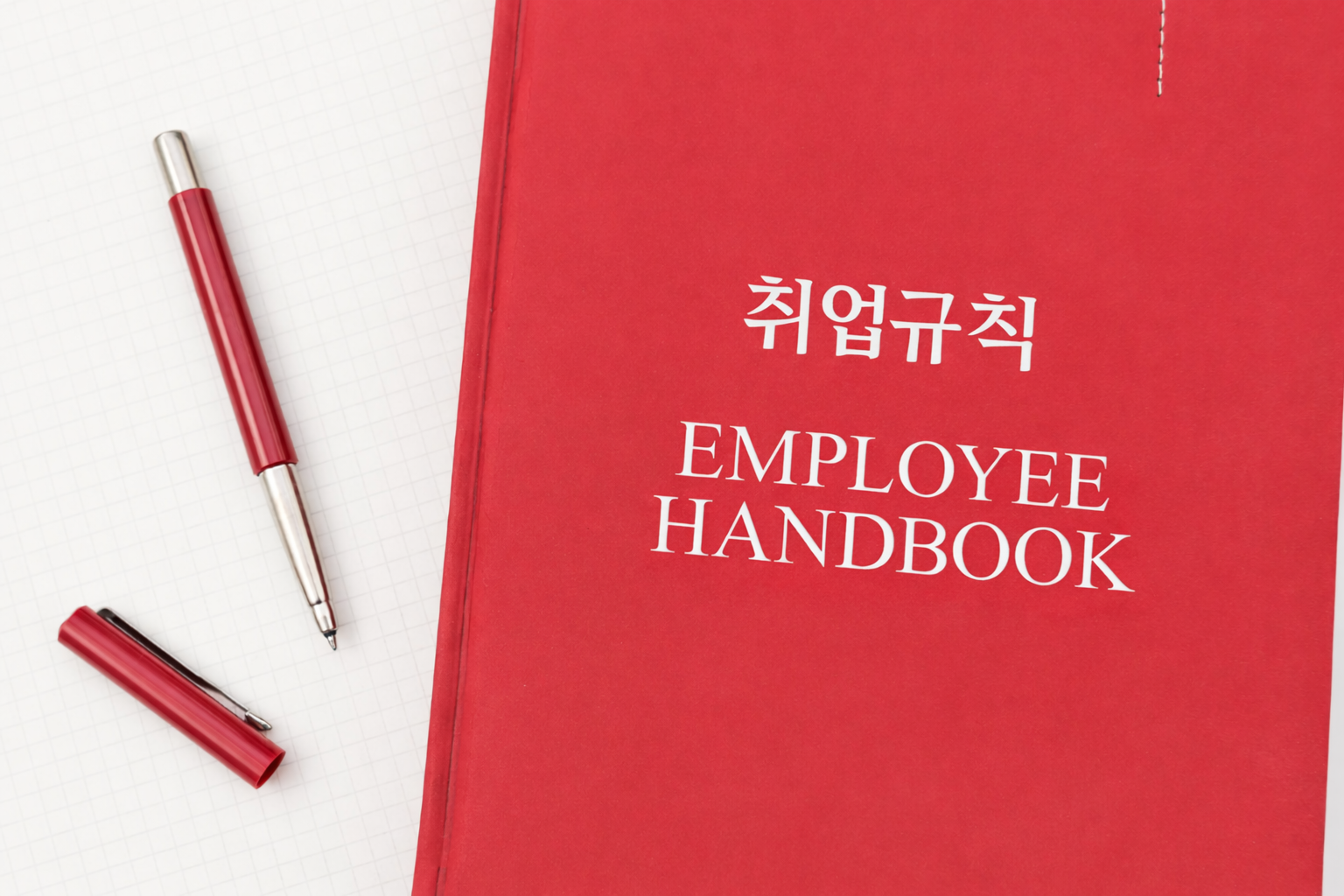
Rules of Employment (취업규칙) refer to a set of collective, uniform and standardized norms that prescribe workplace regulations and general working conditions applicable to all employees within a workplace. Even if the document is not formally titled as “Rules of Employment,” any internal regulations that set out collective standards for employees’ working conditions are regarded as rules of employment regardless of their name.
Under the Labor Standards Act, employers with 10 or more employees are required to prepare and file the rules of employment. When establishing such rules for the first time, the employer must hear the opinion of the majority trade union, if one exists; if not, the opinion of a majority of employees. The completed rules of employment must be filed with the local labor office with jurisdiction and any subsequent amendments must be filed in the same manner. A failure to comply with these preparation and filing requirements may result in an administrative fine.
For employers with fewer than 10 employees, there is no legal obligation to prepare or file rules of employment. However, once such rules are prepared and established, the employer is required to comply with them, even though filing is not legally mandated.
The rules of employment must be made readily accessible so that employees can review them at any time. They are typically posted on the company intranet or provided in booklet form.
The Labor Standards Act enumerates the items that must be included in the rules of employment.
In practice, the most frequently encountered issue regarding the rules of employment is their amendment.
Under the Labor Standards Act, when an employer intends to amend the rules of employment in a way that is unfavorable to employees, the employer must obtain the consent of the majority trade union, if one exists; if not, the consent of a majority of the employees. An ‘unfavorable amendment’ refers to a change that deprives employees of their vested rights or benefits, lowers their existing working conditions or strengthens the workplace regulations to their detriment.
An unfavorable amendment made without collective consent may be subject to a statutory fine, and the amended rules of employment will have no legal effect.
Even when an amendment is not unfavorable to employees, the employer must still hear the opinion of the majority trade union, if one exists; if not, the opinion of a majority of the employees. Hearing employees’ opinions does not mean obtaining their consent or reaching an agreement, nor is the employer bound by the opinions expressed. Therefore, even if many employees express opposition, the requirement is satisfied as long as the employer has properly sought their opinions. While a failure to hear employees’ opinions may result in a fine, the amended rules themselves are not rendered invalid.
Rules of Employment are a core compliance document in Korea and are frequently reviewed in labor disputes. If you need advice or support in drafting, reviewing, or amending your Rules of Employment, please contact us by email.

