
Unpaid Wages in Korea?
Recovering Unpaid Wages - How to File a Claim
How to Recover Unpaid Wages
Filing a Petition with the MOEL
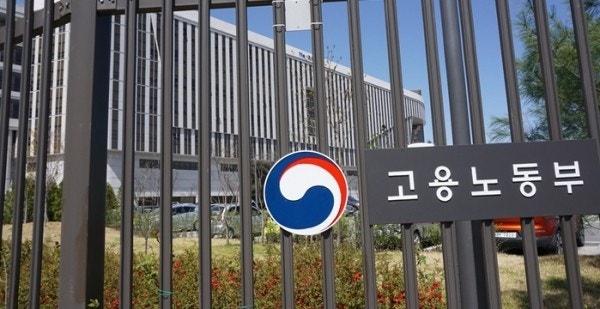
Filing a petition or criminal complaint with the Ministry of Employment and Labor (MOEL) is a way to report violations of the Labor Standards Act and other relevant labor laws and seek remedies, corrective action, or criminal sanctions.
Labor inspectors (근로감독관) at the MOEL have investigative authority as special judicial police officers. They investigate alleged violations, seek to resolve the matter, and refer the case to the prosecution if a violation is found and the matter remains unresolved.
A petition may be filed online or in person with the local MOEL office having jurisdiction over the workplace, while a criminal complaint must be filed in person. Once a petition or criminal complaint is filed, a labor inspector is assigned to the case and generally requires both the employee and the employer to appear for questioning.
In many cases, employees appoint a Certified Public Labor Attorney (노무사) specializing in labor and employment law to assist with the filing and represent them throughout the MOEL proceedings.
The standard processing period is 25 days, excluding Saturdays and public holidays, and may be extended twice depending on the circumstances of the case.
In practice, many cases are resolved when the employer pays the unpaid wages to avoid criminal sanctions and the employee agrees not to pursue punishment. Where the employee’s claim is found to have merit, most disputes are resolved at the MOEL stage through settlement between the parties.
If the employer still refuses to pay despite the risk of criminal liability, the employee may need to bring a civil action.
Bring a Civil Action
An employee may also bring a civil action against the employer to recover unpaid wages. Unlike the MOEL process, which focuses on investigating violations of labor law and possible criminal liability, a civil action allows the employee to obtain a court judgment ordering the employer to pay the amount owed.
Civil proceedings can take considerable time and may involve significant legal fees.
Criminal Liability and Other Consequences of Wage Arrears
If an employer fails to pay wages, they may be subject to criminal penalties of up to 3 years’ imprisonment or a fine of up to KRW 30 million for violations of the Labor Standards Act.
In addition, where an employer intentionally withholds wages, or where wages remain unpaid for three months or more within a year, or the unpaid amount equals or exceeds three months’ ordinary wages, the employee may claim damages of up to three times the amount owed. Habitual offenders may also face public disclosure of their names, financial disadvantages, and travel restrictions.
Need Legal Assistance?
Claims for unpaid wages often depend not only on whether wages remain unpaid, but also on whether the employee can establish their legal entitlement to the amounts claimed.
As the burden of proof generally lies with the employee, even a legitimate claim may fail if it is not properly supported and presented. Professional assistance can help identify the key legal issues, gather the necessary evidence, and present the claim effectively.
If you believe that your wages, allowances, or severance pay have not been fully paid, please feel free to contact us for consultation or legal representation.
Recovering Unpaid Wages - How to File a Claim
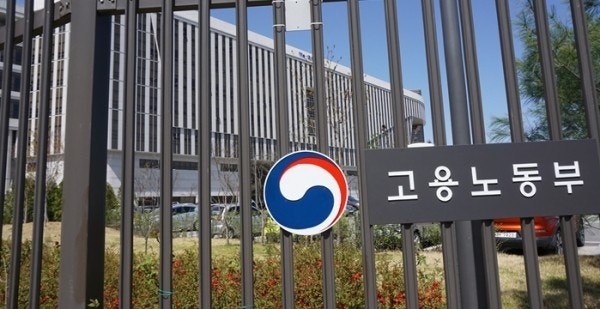
Filing a petition or criminal complaint with the Ministry of Employment and Labor (MOEL) is a way to report violations of the Labor Standards Act and other relevant labor laws and seek remedies, corrective action, or criminal sanctions. Labor inspectors (근로감독관) at the MOEL have investigative authority as special judicial police officers. They investigate alleged violations, seek to resolve the matter, and refer the case to the prosecution if a violation is found and the matter remains unresolved.
A petition may be filed online or in person with the local MOEL office having jurisdiction over the workplace, while a criminal complaint must be filed in person. Once a petition or criminal complaint is filed, a labor inspector is assigned to the case and generally requires both the employee and the employer to appear for questioning.
In many cases, employees appoint a Certified Public Labor Attorney (노무사) specializing in labor and employment law to assist with the filing and represent them throughout the MOEL proceedings.
The standard processing period is 25 days, excluding Saturdays and public holidays, and may be extended twice depending on the circumstances of the case.
In practice, many cases are resolved when the employer pays the unpaid wages to avoid criminal sanctions and the employee agrees not to pursue punishment. Where the employee’s claim is found to have merit, most disputes are resolved at the MOEL stage through settlement between the parties.
If the employer still refuses to pay despite the risk of criminal liability, the employee may need to bring a civil action.
An employee may also bring a civil action against the employer to recover unpaid wages. Unlike the MOEL process, which focuses on investigating violations of labor law and possible criminal liability, a civil action allows the employee to obtain a court judgment ordering the employer to pay the amount owed. Civil proceedings can take considerable time and may involve significant legal fees.
If an employer fails to pay wages, they may be subject to criminal penalties of up to 3 years’ imprisonment or a fine of up to KRW 30 million for violations of the Labor Standards Act.
In addition, where an employer intentionally withholds wages, or where wages remain unpaid for three months or more within a year, or the unpaid amount equals or exceeds three months’ ordinary wages, the employee may claim damages of up to three times the amount owed. Habitual offenders may also face public disclosure of their names, financial disadvantages, and travel restrictions.
Claims for unpaid wages often depend not only on whether wages remain unpaid, but also on whether the employee can establish their legal entitlement to the amounts claimed.
As the burden of proof generally lies with the employee, even a legitimate claim may fail if it is not properly supported and presented. Professional assistance can help identify the key legal issues, gather the necessary evidence, and present the claim effectively.
If you believe that your wages, allowances, or severance pay have not been fully paid, please feel free to contact us for consultation or legal representation.

