
Working More Than 52 Hours a Week in Korea?
Your Right to Demand Correction
Standard Working Hours and Rest Periods
Under the Labor Standards Act (LSA), the standard working hours in Korea are set at 8 hours per day and 40 hours per week. Employees must be provided with rest periods totaling 30 minutes for every 4 hours worked, and 1 hour for every 8 hours worked. In practice, many companies in Korea provide a one-hour lunch break as part of the statutory rest periods. Excluding rest periods, any work in excess of 8 hours per day or 40 hours per week must be compensated with overtime pay at a 50% premium.
What Counts as “Working Hours”?
Working hours refer to the period during which an employee is under the direction and supervision of the employer — the actual time the employee’s labor is at the employer’s disposal. Accordingly, rest periods such as lunch breaks are not considered working hours. However, even if a period is labeled as a break or waiting (on-call) time, it will constitute working hours if the employee cannot use it freely and remains under the employer’s control and supervision.
The 52-Hour Cap: Criminal Penalties Apply
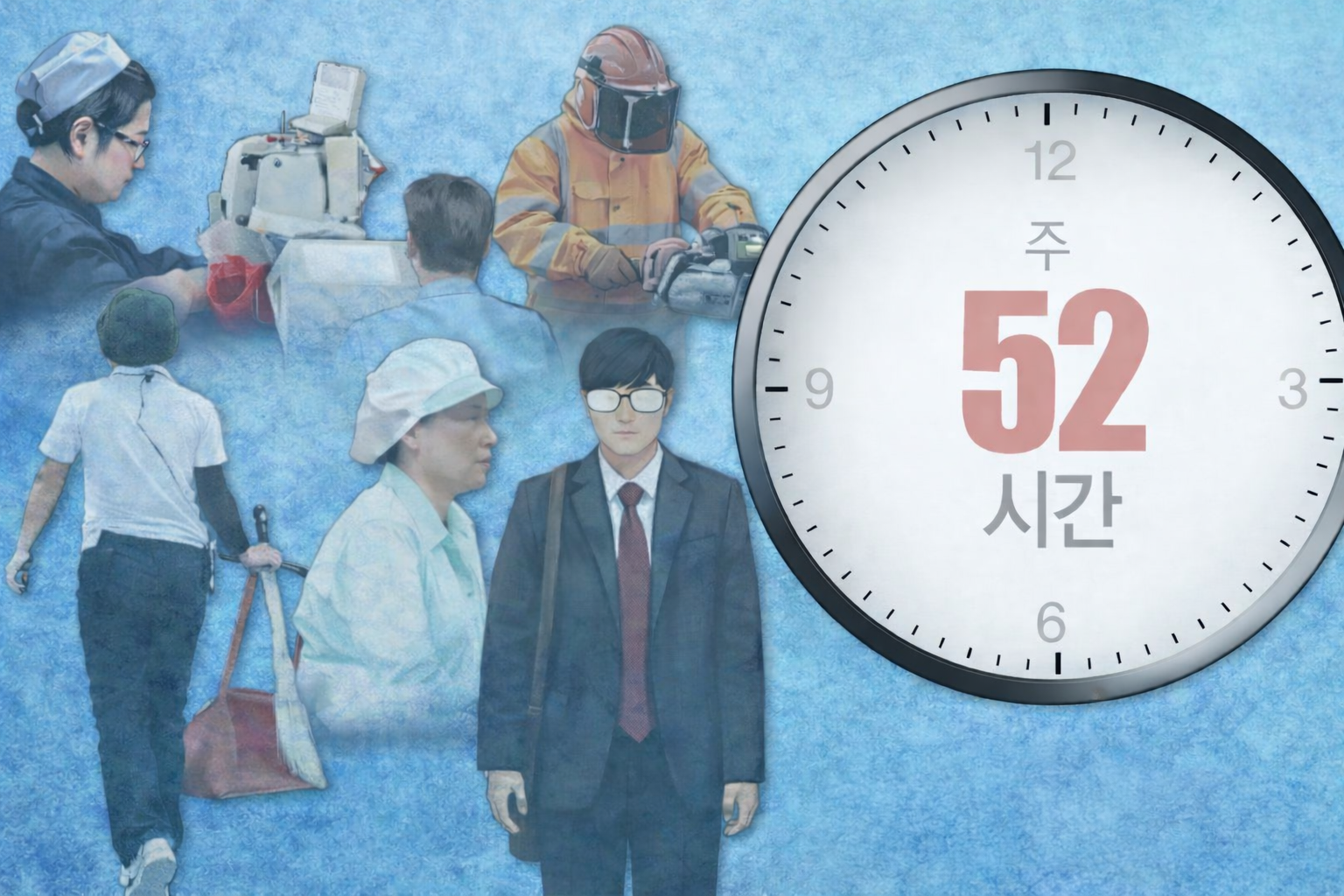
There is a limit on overtime work: it cannot exceed 12 hours per week. In other words, the total weekly working hours cannot exceed 52 hours. If the total weekly working hours exceed 52 hours, the employer may be subject to criminal penalties, even if such overtime was mutually agreed upon, including imprisonment for up to two years or a fine of up to KRW 20 million.
When Are Exceptions Allowed?
There are certain exceptions to this. These include cases where the employee works in an industry or position prescribed by law, where a flexible working hours system has been lawfully implemented, where approval has been obtained from the Minister of Employment and Labor, or where the workplace employs fewer than 5 employees, among others. If none of these exceptions apply and overtime hours exceed 12 hours per week, the employer may be subject to criminal penalties under the LSA.
Overtime Pay vs. the 12-Hour Weekly Cap
The method of determining whether the 12-hour weekly overtime limit has been violated differs slightly from the method used to calculate overtime pay. Overtime pay must be paid when working hours exceed either 8 hours per day or 40 hours per week. However, when determining whether the 12-hour weekly overtime limit has been violated, exceeding 8 hours in a day is not considered. Instead, the assessment is based solely on the number of hours exceeding 40 hours in a given week.
For example, if an employee works 12 hours each day for 4 days in a week, the total overtime pay owed is for 16 hours (4 hours each day for 4 days). However, determining whether the 12-hour weekly overtime limit has been violated is based on 8 hours, which is calculated by subtracting 40 hours from the total weekly working hours of 48 hours. Since this does not exceed 12 hours, it does not constitute a violation of the law.
Your Rights: What You Can Do About Violations
A violation of the 52-hour workweek is a breach of law that infringes on employees’ rights to health and rest. Separate from the payment of overtime compensation, employees may demand that the employer correct the violation. If the employer fails to take corrective action, the violation may be reported to the Ministry of Employment and Labor.
Need Legal Assistance?
We can assist you in assessing whether a legal violation has occurred and in pursuing appropriate remedies. If you require consultation or legal representation, please contact us.
Your Right to Demand Correction
Under the Labor Standards Act (LSA), the standard working hours in Korea are set at 8 hours per day and 40 hours per week. Employees must be provided with rest periods totaling 30 minutes for every 4 hours worked, and 1 hour for every 8 hours worked. In practice, many companies in Korea provide a one-hour lunch break as part of the statutory rest periods. Excluding rest periods, any work in excess of 8 hours per day or 40 hours per week must be compensated with overtime pay at a 50% premium.
Working hours refer to the period during which an employee is under the direction and supervision of the employer — the actual time the employee’s labor is at the employer’s disposal. Accordingly, rest periods such as lunch breaks are not considered working hours. However, even if a period is labeled as a break or waiting (on-call) time, it will constitute working hours if the employee cannot use it freely and remains under the employer’s control and supervision.
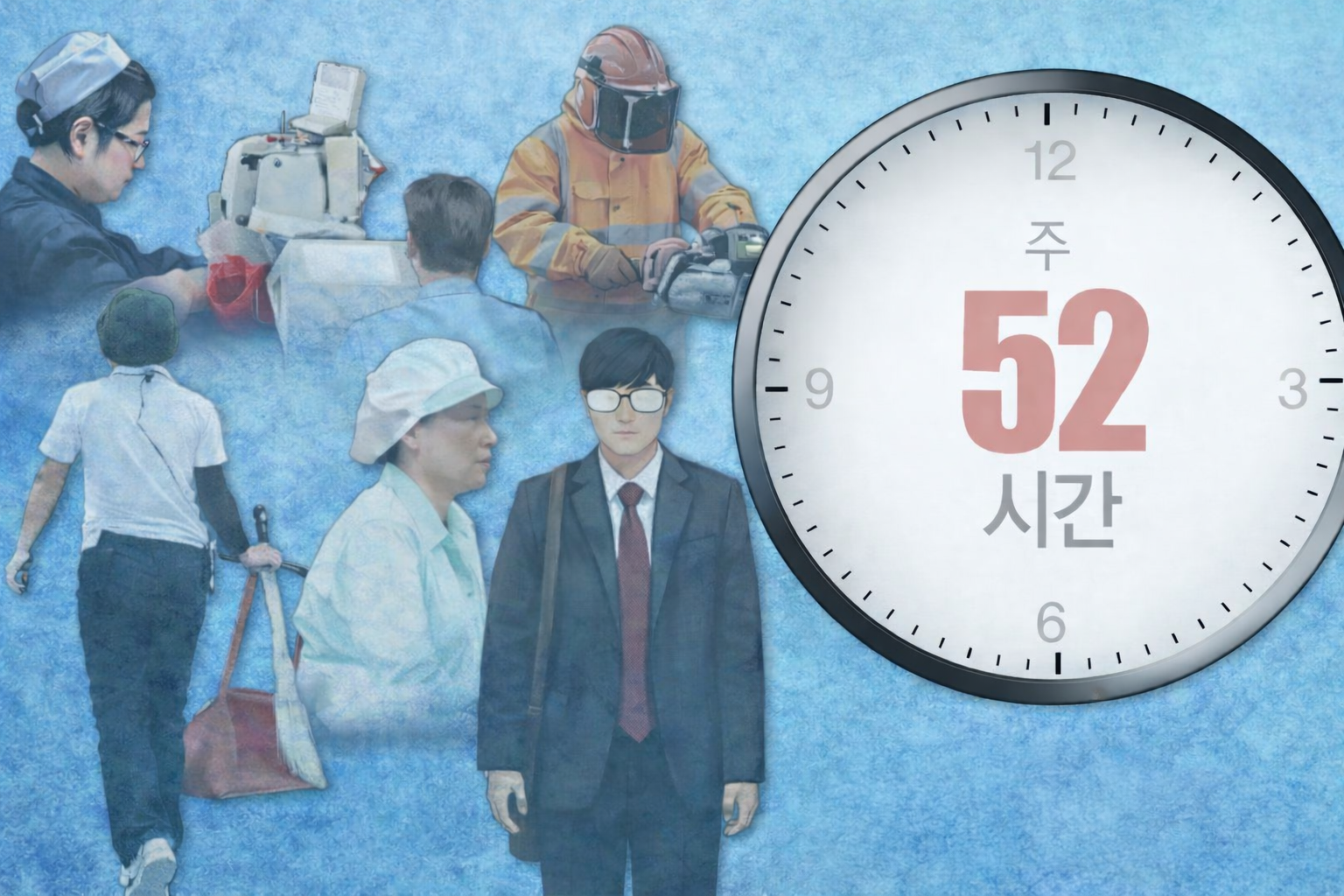
There is a limit on overtime work: it cannot exceed 12 hours per week. In other words, the total weekly working hours cannot exceed 52 hours. If the total weekly working hours exceed 52 hours, the employer may be subject to criminal penalties, even if such overtime was mutually agreed upon, including imprisonment for up to two years or a fine of up to KRW 20 million.
There are certain exceptions to this. These include cases where the employee works in an industry or position prescribed by law, where a flexible working hours system has been lawfully implemented, where approval has been obtained from the Minister of Employment and Labor, or where the workplace employs fewer than 5 employees, among others. If none of these exceptions apply and overtime hours exceed 12 hours per week, the employer may be subject to criminal penalties under the LSA.
The method of determining whether the 12-hour weekly overtime limit has been violated differs slightly from the method used to calculate overtime pay. Overtime pay must be paid when working hours exceed either 8 hours per day or 40 hours per week. However, when determining whether the 12-hour weekly overtime limit has been violated, exceeding 8 hours in a day is not considered. Instead, the assessment is based solely on the number of hours exceeding 40 hours in a given week.
For example, if an employee works 12 hours each day for 4 days in a week, the total overtime pay owed is for 16 hours (4 hours each day for 4 days). However, determining whether the 12-hour weekly overtime limit has been violated is based on 8 hours, which is calculated by subtracting 40 hours from the total weekly working hours of 48 hours. Since this does not exceed 12 hours, it does not constitute a violation of the law.
A violation of the 52-hour workweek is a breach of law that infringes on employees’ rights to health and rest. Separate from the payment of overtime compensation, employees may demand that the employer correct the violation. If the employer fails to take corrective action, the violation may be reported to the Ministry of Employment and Labor.
We can assist you in assessing whether a legal violation has occurred and in pursuing appropriate remedies. If you require consultation or legal representation, please contact us.

